Discover Your Scottish Family History with DNA+History+Genea
Discover Your Ancestry with DNA+History+Genealogy Genealogy
We are an evidence based organization. The problem with the commercial family tree builders where you hit "accept" and add an ancestry to your tree, there is no evidence that person is actually your ancestry or even existed.
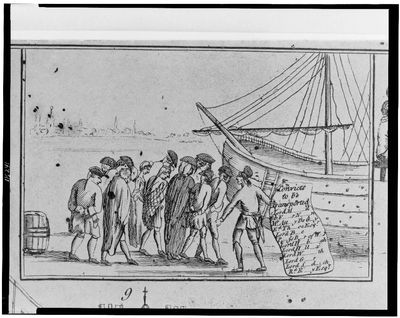
The basis of our Scottish ancestry research is the book "Directory of Scots Banished to the American Plantations 1650-1775, written by David Dobson. Dobson's book is a lists all the Scotts convicted and sentenced to transport, the crime, their conviction date, their sentence, and the colony to which they were transported. This was the beginning of our Scottish immigrant database. The American plantations (colonies) were the first new world territories used to dispose of Scotts the English wanted out of Scotland. Thus this book is the beginning of our list of Scots removed from Scotland. Virtual Jamestown and other resources like it list details of those transported after they arrived in America. They were sold at the auction block as indentured servants, and their sale, and the terms of their indenture still exist.
Scotland’s High Court of Justiciary—the kingdom’s supreme criminal court, created in 1672 and sitting in Edinburgh and on circuit—regularly figured in the machinery that sent offenders from Scotland to the American colonies in the 17th and early-18th centuries. Before and after the Transportation Act 1718, the court (and its circuit judges) imposed transportation either directly under statute or by conditional pardons that commuted harsher penalties (including death) to banishment overseas for fixed terms, typically 7 or 14 years. Merchants contracted with the Crown to ship prisoners—along with captured rebels and political prisoners from episodes like the Covenanter crackdowns and the Jacobite risings—to labor in Virginia, Maryland, and the Caribbean. The Justiciary’s role was judicial: trying serious crimes (theft, housebreaking, riot, sedition) and recording sentences; the Privy Council/Home Office and private contractors handled the logistics and sale of convict labor on arrival. After the American War of Independence (1776) ended that outlet, transportation orders from Scottish courts shifted away from North America and, by the late 1780s, followed British policy toward New South Wales instead.
Dobson's book lists the people who were transported and who became American ancestors. "Garnock, George, a shoplifter in Aberdeen, banished in March 1768, imprisoned in Edinburgh tollbooth, transported to the American Plantations in 1769."
After the American Revolution, the English could no longer use America as a place to send Scottish persons deemed undesirable. As such, we have added records of Scots who were sent or went to Australia, New Zealand, and Canada. These records have been added to our database.
Actual copies of these historical records can be found in England and Scotland in the incredible system of document preservation found there. If you would like a report, or even a copy of your Scottish ancestors life in Scotland, before being deported to the colonies or self deporting, we would be happy to help you with this.
Discover Your Scottish Roots with DNA+History+Genealogy
Discover Your Family's History
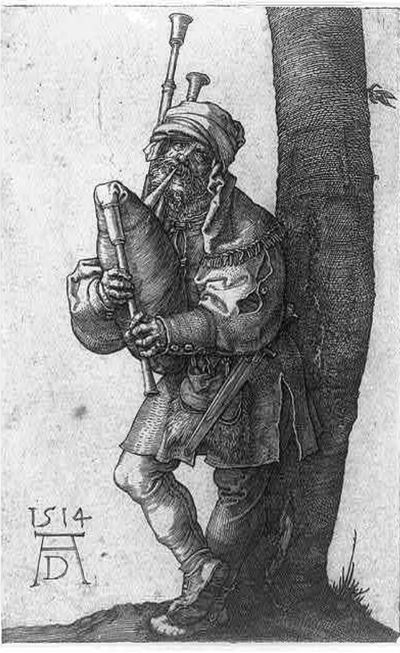
When you deal with Scottish ancestry, it's not always what you think. In the first instance, many Flemish weavers went to Scotland in the 12th century. In addition to this, the Scots loved to deport Gypsies to the colonies. The Scottish Nacken, a branch of the Romani family, lost many family members to deportation to the colonies. We have a database of Scottish Gypsies deported to the colonies and you might be surprised to discover your McPhee was not Scottish but rather a Scottish Gypsy. The Gypsies first arrived to Scotland to entertain the king with music and dance in the 15th century. Scottish Travellers and Roma were important tradition-bearers—as itinerant musicians, pipers, and fiddlers—so they helped transmit and popularize music, including piping, in some districts.